
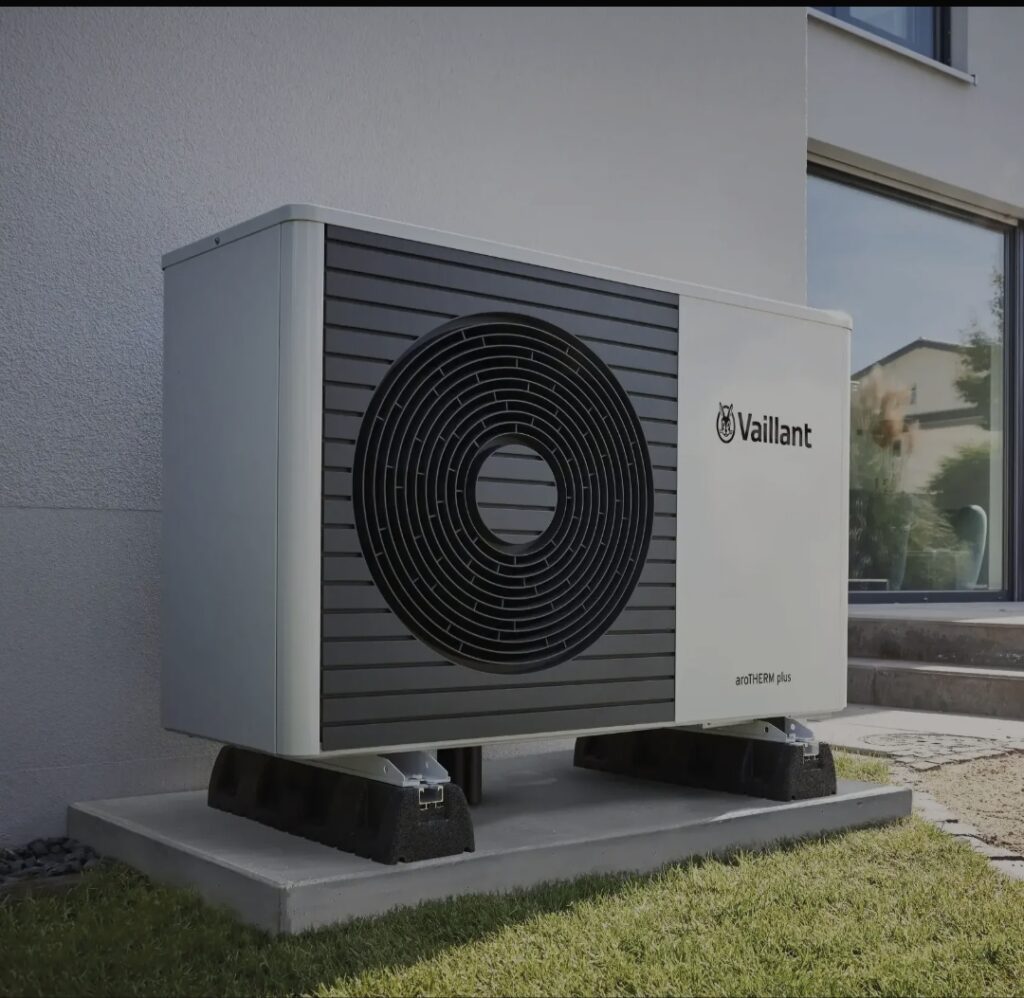
In an era where environmental consciousness is on the rise, the shift towards renewable energy sources is more critical than ever. As a homeowner, making the switch to renewable energy not only contributes to a sustainable future but also brings about numerous benefits for both your household and the planet. In this extensive exploration, we’ll delve into the various advantages of embracing renewable energy solutions.
1. Cost Savings and Long-Term Financial Benefits:
While the initial investment in renewable energy systems may seem significant, the long-term financial benefits far outweigh the costs. Solar panels, for example, can generate electricity for decades, offering substantial savings on monthly utility bills. Additionally, many governments and municipalities offer incentives, rebates, and tax credits for renewable energy installations, further enhancing the financial appeal.
2. Environmental Impact and Carbon Footprint Reduction:
One of the most compelling reasons to switch to renewable energy is the positive impact on the environment. Unlike traditional energy sources that rely on fossil fuels, renewable energy systems, such as solar and wind, generate electricity without emitting harmful greenhouse gases. By reducing your reliance on non-renewable resources, you contribute to the global effort to combat climate change and decrease your household’s carbon footprint.
3. Energy Independence and Security:
Renewable energy systems provide a level of energy independence that can be especially valuable during times of energy crises or disruptions. Unlike fossil fuels, which are subject to geopolitical tensions and price fluctuations, renewable resources are abundant and locally available. This not only enhances energy security but also promotes resilience in the face of external uncertainties.
4. Sustainable Home Value Increase:
Investing in renewable energy solutions can increase the value of your home. As sustainability becomes a more significant factor in property evaluations, homes equipped with solar panels, geothermal systems, or other renewable technologies are often perceived as more desirable and forward-thinking. This can translate to a higher resale value and a competitive edge in the real estate market.
5. Job Creation and Economic Growth:
The renewable energy sector is a significant driver of job creation and economic growth. As demand for clean energy technologies continues to rise, more jobs are being created in manufacturing, installation, maintenance, and research and development. By supporting renewable energy, you contribute to the growth of a sustainable and dynamic industry.
6. Reliability and Resilience:
Renewable energy sources are inherently reliable and resilient. Solar panels can generate electricity even during cloudy days, and wind turbines continue to produce power in varying wind conditions. Additionally, decentralized renewable energy systems, such as residential solar installations, contribute to a more resilient and adaptable energy grid by reducing dependence on centralized power sources.
7. Access to Remote Areas:
Renewable energy technologies provide an opportunity to bring electricity to remote and off-grid areas. In regions where traditional power infrastructure is challenging to establish, solar panels, wind turbines, and other renewable solutions offer a cost-effective and sustainable means of providing electricity to communities that would otherwise lack access to power.
8. Technological Advancements and Innovation:
The pursuit of renewable energy has spurred significant technological advancements and innovation. As researchers and engineers work to improve the efficiency and affordability of renewable technologies, new breakthroughs continue to emerge. This cycle of innovation not only benefits those adopting renewable energy but contributes to the broader advancement of clean and sustainable technologies.
9. Reduced Dependence on Finite Resources:
Traditional energy sources, such as coal, oil, and natural gas, are finite resources that are subject to depletion. By transitioning to renewable energy, which relies on sources like sunlight, wind, and water, you contribute to reducing the strain on finite resources. This shift promotes a more sustainable and equitable use of the Earth’s natural abundance.
10. Community Engagement and Environmental Stewardship:
Switching to renewable energy fosters a sense of community engagement and environmental stewardship. By taking proactive steps towards sustainability, you inspire others in your community to do the same. Whether through community solar projects, energy cooperatives, or shared renewable resources, the collective effort toward a greener future strengthens the fabric of local communities.
In conclusion, the benefits of switching to renewable energy extend far beyond the immediate advantages for your household. By embracing sustainable energy solutions, you become a part of a global movement towards a cleaner, more resilient, and environmentally responsible future. The positive impact reaches into various aspects of your life, from financial savings to environmental conservation, making the transition to renewable energy a meaningful and rewarding choice.